
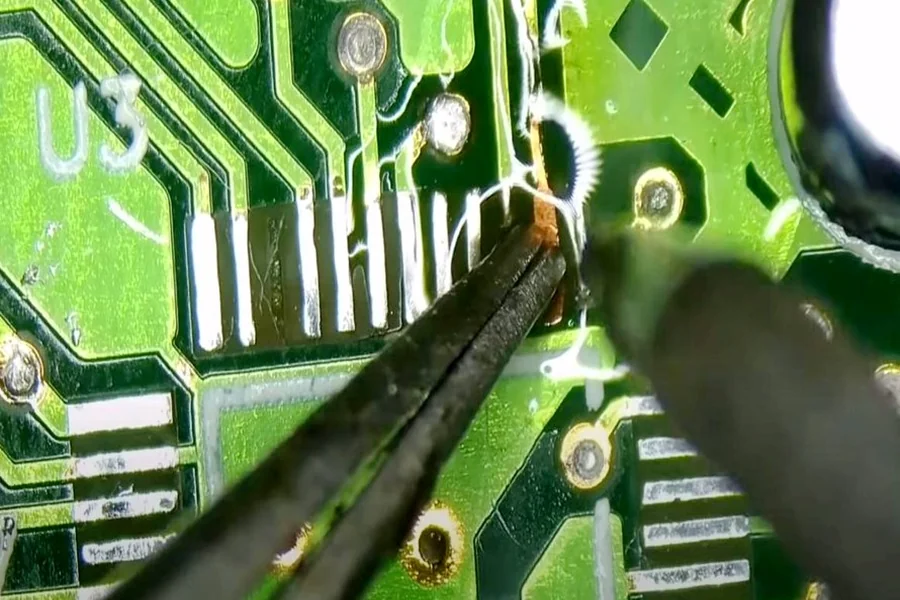
Aerospace PCB assembly refers to the highly specialized process of manufacturing printed circuit boards designed for aircraft, satellites, spacecraft, drones, defense systems, and other aviation electronics. These PCBs operate in extreme environments, which means they must deliver flawless performance under intense vibration, drastic temperature changes, radiation exposure, and zero-failure conditions.
Unlike consumer electronics, aerospace PCB assembly requires tighter tolerances, more robust materials, and rigorous inspection procedures. Every board must meet strict performance, safety, and durability standards, as even a minor defect can lead to severe system failures. Because of this, aerospace assembly is considered one of the most complex and demanding segments of the electronics industry.
Why Aerospace PCB Assembly Requires Specialized Processes
The aerospace sector depends on reliable electronic systems for communication, navigation, power control, monitoring, data processing, and automated safety functions. These systems must remain operational for long periods without maintenance. Therefore, the PCBs used in aerospace applications are designed with high-strength materials, multilayer structures, and advanced manufacturing techniques.
Aerospace PCB assembly integrates multiple checks at every step, from material selection to final testing. Manufacturers often perform thermal cycling tests, vibration tests, X-ray inspection, and functional testing to ensure that every board can withstand real-world stresses. The focus remains on long-term performance, signal integrity, and maximum safety.
Key Features of Aerospace PCB Assembly
High-Temperature Performance
Aerospace components must endure extreme temperatures, from freezing heights in the stratosphere to the heat generated by high-speed operation. This is why aerospace PCBs often use materials like polyimide, Rogers laminates, and other high-Tg substrates that maintain stability under thermal stress.
Multilayer and HDI Structures
Many aerospace systems require complex circuits that fit inside compact devices. Multilayer PCBs and HDI (High-Density Interconnect) designs support high-speed communication, signal accuracy, and advanced processing functions. These boards allow engineers to pack more capability into smaller, lighter, and more efficient systems.
Vibration and Shock Resistance
Aircraft and spacecraft experience extreme vibration during takeoff, landing, and atmospheric transitions. Aerospace PCB assembly includes reinforced solder joints, strong laminates, and secure mounting techniques to ensure that components remain stable under constant movement.
Radiation and Environmental Protection
Space electronics require protection from radiation and harsh environmental conditions. Some aerospace PCBs include shielding layers, conformal coating, and special surface finishes that guard against corrosion, moisture, and chemical damage.
Common Applications of Aerospace PCB Assembly
Avionics Systems
Aerospace PCBs are used in flight management computers, radar equipment, navigation systems, communication radios, and cockpit displays. In these applications, accuracy and reliability are essential for safe flight operations.
Space Exploration Equipment
Satellites, rovers, communication modules, and spacecraft rely heavily on PCBs that can survive vacuum pressure, radiation, and extreme temperature fluctuations. Only high-grade materials and advanced assembly methods can meet these demands.
Defense and Military Aerospace
Missile systems, drones, surveillance equipment, and electronic warfare devices all require PCBs that perform flawlessly in mission-critical environments. These boards must maintain strong signal integrity even during high-speed movements and high-pressure conditions.
Engine Control and Power Systems
Engine monitoring, fuel control, and sensor systems depend on rugged aerospace PCB assemblies. Their stable performance ensures safety, efficiency, and accurate data reading during operation.
Challenges in Aerospace PCB Assembly
Strict Quality and Certification Requirements
Aerospace projects must comply with standards such as AS9100, IPC-6012DS, and MIL-PRF-31032. These certifications ensure that the PCB assembly process is consistent, traceable, and reliable. Meeting these standards increases both cost and complexity, but they are necessary for high-risk applications.
Long Lead Times and Specialized Materials
Aerospace-grade laminates and components often have limited availability, leading to longer lead times. Manufacturers must maintain strong supplier relationships to avoid delays and ensure the highest quality materials.
Zero-Defect Expectations
Unlike commercial products, aerospace electronics cannot fail during operation. This requires advanced inspection systems like AOI, X-ray, ICT, and functional testing to verify every detail of the assembly.
Why Choosing the Right Partner Matters in Aerospace PCB Assembly
Aerospace PCB assembly demands expertise, world-class manufacturing capabilities, and a deep understanding of aviation electronics. A reliable assembly partner ensures precise engineering, accurate soldering, advanced testing, and complete traceability. They should also offer specialized knowledge in material selection, multilayer stack-ups, HDI technology, and thermal management.
The right partner not only improves the performance of aerospace electronics but also reduces the risks associated with reliability and safety. Companies working in aviation, defense, and space sectors always choose manufacturers with proven experience, strong certifications, and advanced engineering support.
Final Thoughts: Partner With Experts for High-Reliability Aerospace PCB Assembly
Aerospace PCB assembly delivers unmatched precision, strength, and durability for mission-critical applications. Whether you are developing avionics, satellite hardware, or aerospace control systems, choosing a skilled manufacturing partner ensures top-level performance and long-term reliability. If you are looking for a trusted China PCB assembly provider with the capability to support aerospace-grade requirements, now is the right time to collaborate with a team that understands quality, consistency, and advanced engineering.


