


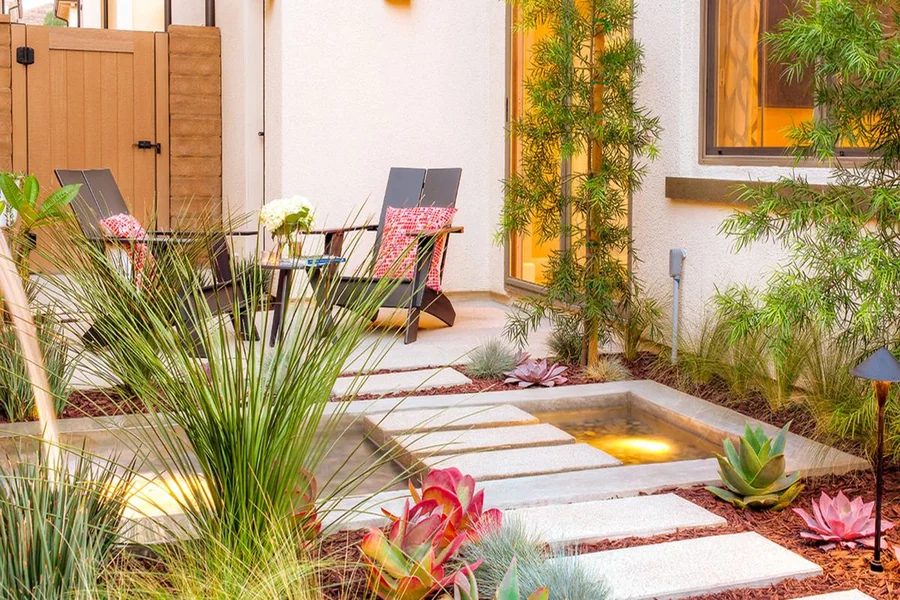
Sadly, unused garden space across the UK is a growing issue that affects mental well-being, property values, and the local ecosystem.
And as urban living becomes more cramped, the failure to use every square inch of available outdoor space is increasingly seen as a missed opportunity for a better quality of life.
That’s why it’s important to address this issue and ensure that one of your home’s most valuable assets–the garden–is not wasted.
Why Looking At An Overgrown Garden Makes You Feel Stressed
There is a certain kind of stress associated with looking through a kitchen window at a garden that has spiralled out of control. Psychologists call it the “clutter effect”–when physical disarray in our environment leads to mental fatigue and anxiety.
You see, when a garden becomes a jungle of weeds and waist-high nettles, it stops being a place of relaxation and starts becoming a mounting “to-do” list that grows too overwhelming to address.
This sense of neglect can seep into other areas of your home life, creating a feeling that the household is not being properly managed. Reclaiming this space, then, is simply about regaining control over your environment.
A tidy, functional garden provides a visual “reset” that can significantly lower cortisol levels after you come back home from a long day at the office.
Many people find that once the overgrowth problem is solved, they feel a sudden lightness and a renewed desire to spend time outdoors, proving that the mental impact of a messy backyard is far heavier than most people realise.
How Much Value Is An Overgrown Plot Actually Costing You?
In the current UK property market, outdoor space is at a premium.
Since the shifts in lifestyle over the last few years, more people are working from home, making the boundary between work and leisure increasingly blurred. A garden that is fit for purpose essentially acts as an additional room.
Things like patio for alfresco dining or a manicured lawn for exercise, functional outdoor areas increase the “usable” square footage of a home. Estate agents consistently report that a well-maintained garden can add between 5-10% to a property’s total value.
Conversely, an eyesore at the back of the house can deter potential buyers who will see nothing but a massive and expensive project ahead of them. Neglecting the garden is, in many ways, neglecting a significant financial asset.
In competitive markets like London or Bristol, a messy garden can even be the reason a sale falls through. That’s because buyers usually look for “turnkey” properties they can immediately enjoy the outdoor lifestyle without needing to hire a clearance crew.
Clear Out The Overgrowth To Reveal Your Property Potential
The first step in addressing the issue of unused space is often the most daunting: the clearance.
Many British gardens suffer from “legacy clutter”—old sheds that are rotting at the base, piles of timber from a long-forgotten DIY project, or overgrown shrubs that have blocked out the natural light.
Clearing this debris is important so a homeowner can see the true potential of their plot.
Once the garden is clear, it becomes much easier to plan a layout that serves the household’s needs.
Whether it is installing a simple decking area or creating raised beds for vegetables, the transition from a messy outdoor space to a functional one starts with a thorough clear-out.
This initial effort also pays dividends by making the property far more attractive to the market and much more enjoyable for the current residents.
Often, people are surprised by how much larger their garden feels once the perimeter brambles are cut back and the light is allowed to hit the ground again.
Making Your Garden A Place You Actually Want To Sit In
Gone are the days when a garden was expected to be a high-maintenance display of exotic flowers and perfectly striped lawns. The modern trend in British landscaping is moving toward “functionalism.”
Homeowners look for areas that require minimal upkeep but offer maximum utility. This shift is a response to the busy lives of modern families who may not have the time for an intensive weekend weeding.
Going for hardy, native perennials and incorporating hardscaping like gravel paths or slate chippings can make a garden look “finished” without requiring a full-time groundskeeper.
This ensures that the space remains an asset rather than just another chore to deal with, making it far more likely that the family will actually spend time outside.
Remember, you’re aiming to create a space that feels more like an extension of your home, rather than a separate thing that demands constant upkeep.
Turning Weeds Into A Haven For Local Wildlife
One of the most rewarding ways to use a previously neglected garden is to invite nature back in, but in a controlled manner.
A “wild” doesn’t mean an overgrown mess. If you plant pollinator-friendly flowers like foxgloves, lavender, and buddleia, you can pretty much support local bee and butterfly populations.
Garden birds and hedgehogs rely heavily on residential green corridors in the UK.
Transforming a barren space into a living ecosystem provides a sense of purpose to the garden. It becomes a place of education for children and a point of interest for adults.
Balancing a neat seating area with a “wild corner” allows for comfort and environmental responsibility at the same time. This solves the issue of unused garden space while also contributing to local biodiversity and the environment as a whole.
Splitting Your Garden Into Practical Areas For Every Family Member
A common mistake in British gardens is trying to do too much with a small area, resulting in a cluttered feel. Professional design principles suggest “zoning” the space.
Even in a modest terraced house garden, one can create a zone for dining, a zone for play, and a zone for storage. Using different materials, such as timber sleepers to border a vegetable patch or a change in floor texture from grass to stone, helps define these areas.
When a garden has a clear purpose, it is much more likely to be used and enjoyed. Say you make a dedicated, comfortable spot for a coffee–it can then easily become a morning ritual. If there is a clear patch for a herb garden, it becomes part of the evening cooking routine.
Zoning effectively turns an intimidating outdoor area into a series of manageable, inviting spaces that consider every member of your household’s needs.
The Real Reasons Most People Give Up On Their Gardens
The main reason gardens get neglected is rarely a lack of interest, but rather a lack of time and the right equipment.
On top of that, the British climate is famously fickle, and a week of heavy rain followed by a burst of sunshine can cause weeds to grow at an alarming rate.
So, for those without high-end lawnmowers, hedge trimmers, or heavy-duty loppers, the physical task of taming the growth can be physically exhausting and technically difficult.
Furthermore, the disposal of green waste is a significant hurdle. Many local councils have strict rules or additional fees for garden waste bins, and a major clearance can produce more debris than a standard bin can handle.
These logistical issues often lead to homeowners putting off the work until the problem becomes pretty much overwhelming. That’s when complete garden cleaning and gardening services in Gildford–or anywhere else in the UK–can really come in handy.
Dealing With Constant Rain And Difficult British Soil
The geography of the UK means that gardening challenges vary wildly from the clay-heavy soils of London and the South East to the more acidic conditions in parts of Scotland and Wales.
Determining what will actually grow in a specific patch is often a major issue for the amateur gardener. Planting expensive shrubs only to have them wither in waterlogged soil is a frustrating experience that often leads to people giving up on their outdoor space entirely.
Overcoming this requires either significant research or seeking expert advice to ensure that the new gardeners pick plants that are suited to the local microclimate. And if that doesn’t happen, it may cause most people to give up on the gardening habit entirely.
Drainage is another uniquely British issue because, without proper lawn care and soil aeration, many gardens turn into a muddy bog for six months of the year, making them completely unusable.
Keeping Your Garden Under Control Without Working Every Weekend
Once a garden has been reclaimed, the goal is to keep it that way without it becoming a second job.
Sustainability in gardening means creating a system that looks after itself as much as possible. This includes techniques like mulching, which suppresses weeds and retains moisture in the soil, and installing water butts to collect the frequent British rainfall.
Choosing slow-growing hedges instead of fast-growing ones like Leylandii can save hours of pruning every year. During the initial renovation phase, if you are really strategic about your choices, the risk of the garden falling back into a state of neglect is significantly reduced.
A well-planned garden is a permanent solution to the problem of unused space. It may provide you with years of good memories.
That, however, is all about working smarter, not harder, and understanding that a little bit of regular maintenance is far easier than a massive annual overhaul.
Conclusion
Unused garden space represents lost value, lost peace of mind, and a lost connection to the outdoors.
However, transforming a neglected plot into a thriving extension of the home is a journey well worth taking. That’s because the effort pays back in both the quality of daily life and the long-term health of the household’s finances.
So, what are you waiting for? Reclaim your outdoor space and feel how good it feels. Good luck!
