


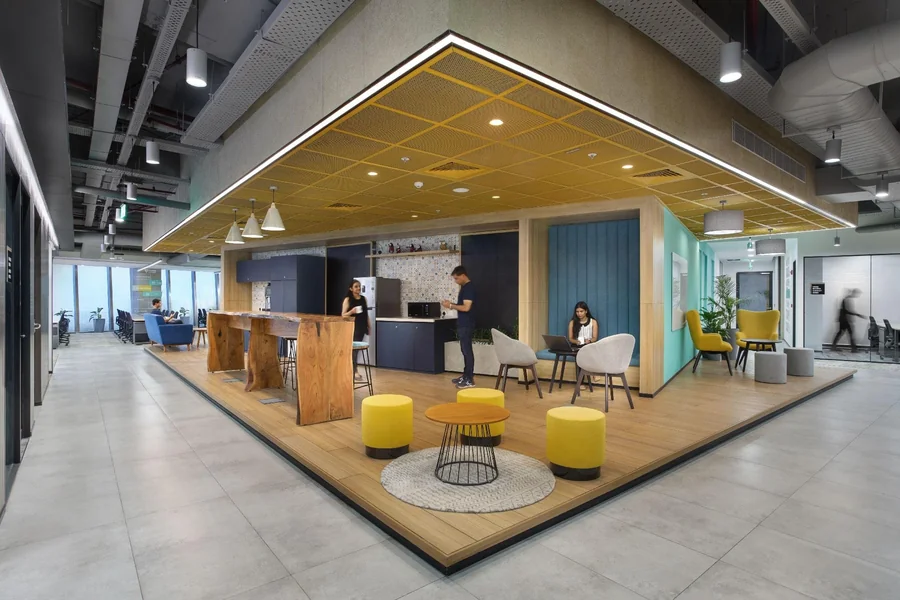
In the fast-moving world of startups, the office is no longer just a place to work — it’s a strategic tool. Workspace design now plays a direct role in productivity, culture, recruitment and even investor perception. For emerging tech companies, creating environments that support agility and innovation is essential.
Forward-thinking founders are increasingly investing in smarter tech workspaces that seamlessly integrate digital infrastructure, flexible layouts and human-centred design. The modern startup office isn’t about flashy gimmicks; it’s about building a space that enables deep focus, rapid collaboration and sustainable growth.
Here are some of the key design trends shaping modern tech workspaces across Australia and beyond.
Hybrid-Ready by Design
Hybrid work is no longer a temporary adjustment — it’s a structural shift. Startups are designing offices that complement remote work rather than compete with it. This means:
- Dedicated video conferencing rooms with acoustic treatments
- Seamless screen-sharing and wireless presentation systems
- High-quality microphones and camera setups
- Shared digital whiteboards and cloud-based collaboration tools
Instead of traditional boardrooms that sit empty most of the week, spaces are being reimagined as tech-enabled collaboration hubs. The goal is to ensure that remote and in-office team members experience equal participation.
Flexible Layouts for Rapid Growth
Startups evolve quickly. A team of eight can become 30 within a year. Static office layouts simply don’t keep up. Modern design trends focus on:
- Modular desks that can be rearranged easily
- Moveable partitions for instant meeting rooms
- Multi-use breakout areas
- Furniture that supports both focused and collaborative work
Flexibility reduces costly refits and allows the workspace to scale alongside the business. It also empowers teams to configure their environment based on the task at hand.
Collaboration Zones with Purpose
Open-plan offices once dominated startup culture, but we now understand that noise and constant interruption can hinder productivity. Instead of one large open space, modern tech offices feature:
- Quiet focus pods
- Semi-private collaboration booths
- Informal lounge-style meeting areas
- Structured project rooms for sprint sessions
The trend is towards “activity-based working” — creating designated areas that align with specific types of work. This thoughtful zoning supports both creative brainstorming and concentrated development.
Smart Technology Integration
Technology is no longer an add-on; it’s embedded into the fabric of the office. Key innovations include:
- App-controlled lighting and climate systems
- Occupancy sensors for energy efficiency
- Touchless entry systems
- Integrated booking platforms for desks and meeting rooms
Smart integration reduces friction in daily operations. Employees spend less time managing logistics and more time on meaningful work. For startups with lean teams, automation enhances efficiency without increasing headcount.
Biophilic Design and Wellbeing
Tech startups operate at high intensity. Long hours and demanding targets can quickly lead to burnout. Modern workspace design is responding with a strong focus on wellbeing. Biophilic elements like natural light, indoor plants and organic materials are increasingly common. Research consistently shows that access to natural elements improves concentration, mood and overall job satisfaction.
Other wellbeing-focused features include:
- Sit-stand desks
- Ergonomic seating
- Dedicated wellness or quiet rooms
- End-of-trip facilities for cyclists and runners
For startups competing for top talent, prioritising wellbeing sends a powerful message about company values.
Brand Storytelling Through Design
For many startups, the office doubles as a client-facing environment. Investors, partners and potential hires often form their first impression during a visit. Design is now being used strategically to reflect:
- Company mission and values
- Industry positioning
- Innovation mindset
- Cultural identity
Subtle branding elements like custom wall graphics, digital displays or thoughtfully curated colour palettes reinforce credibility and cohesion. A well-designed workspace can communicate ambition and professionalism before a single word is spoken.
Sustainability as a Standard, Not a Bonus
Environmental responsibility is becoming an expectation, not a differentiator. Modern startup offices incorporate sustainable practices such as:
- Energy-efficient lighting
- Recycled or low-impact materials
- Smart HVAC systems
- Waste reduction strategies
Many founders recognise that sustainability resonates strongly with employees and customers alike. It also reduces long-term operational costs — a critical factor for growing businesses.
Data-Driven Design Decisions
Startups thrive on metrics, and workspace design is following suit. Instead of relying purely on aesthetics, companies are using data to inform layout decisions. Examples include:
- Tracking meeting room usage
- Analysing peak occupancy times
- Monitoring air quality and temperature
- Measuring collaboration frequency
This approach allows companies to continually refine their environment based on real behaviour patterns rather than assumptions.
The Startup Office as a Growth Engine
The modern tech workspace is no longer about rows of desks and a ping-pong table. It’s a carefully engineered ecosystem designed to support innovation, collaboration and resilience. For startups, the office must:
- Enable rapid iteration
- Support hybrid collaboration
- Protect employee wellbeing
- Reflect brand identity
- Adapt as the company scales
When workspace design aligns with business strategy, it becomes a growth engine rather than an overhead expense. In today’s competitive landscape, the most successful startups understand that the environment shapes performance. Investing in thoughtful, technology-integrated design isn’t just about aesthetics — it’s about building the physical foundation for long-term success.
